The Evolution of My Art Practice: Curiosity, Play and Exploration
Illustration, Painting, Ceramics, Textiles and the joy of Experimentation.
I have never really known how to describe what I do. Perhaps this is because my art practice has never followed a single direction for very long. It has moved from one medium to another, from one format to another, often simply because I became curious about something and wanted to see where it might lead.
I began working with textile pattern design in Japan. At that time, my practice was very much connected to surface design: creating patterns and illustrations to be translated onto fabrics and other materials. I enjoyed the process of building small visual worlds that could repeat and expand across a surface, and I was particularly interested in the relationship between drawing and textiles.
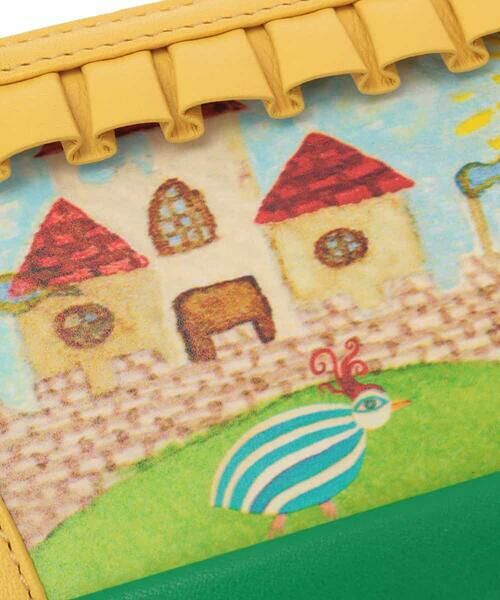
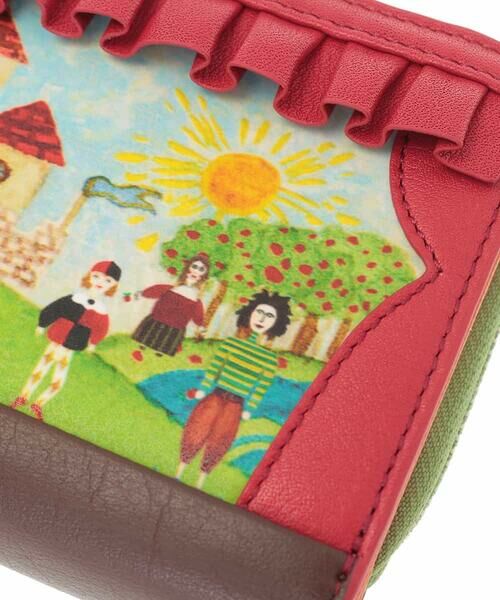
From there, my work gradually moved towards illustration in the more traditional sense. I began making images that were intended to accompany stories, ideas or publications, and illustration became an increasingly important part of what I did professionally.
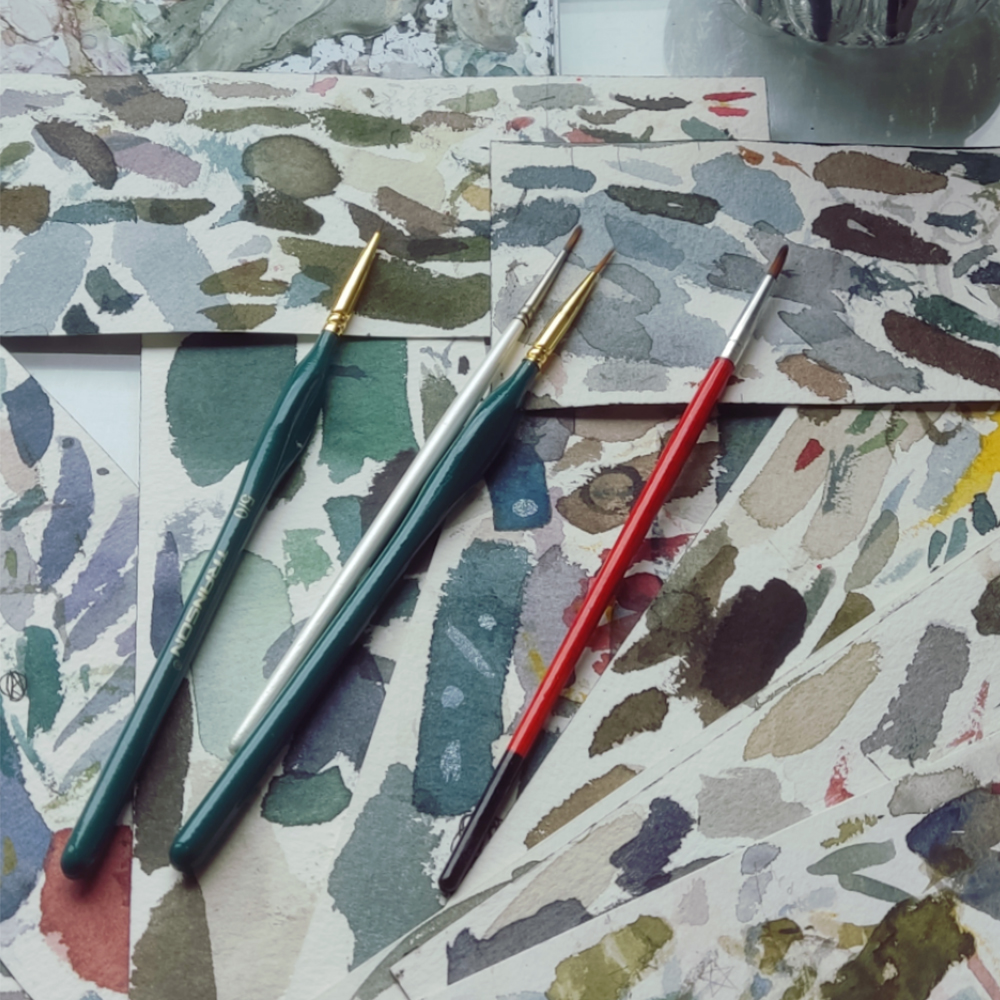
But at some point, I started making watercolours that weren’t illustrations of anything in particular. They weren’t commissioned to accompany a text, nor were they made for a specific purpose. They were simply images I wanted to make.
This was perhaps the first time I found myself wondering what exactly I was supposed to call myself. Was I a pattern maker? An illustrator? An artist? Something in between? I still don’t really know, and perhaps it shouldn’t matter.
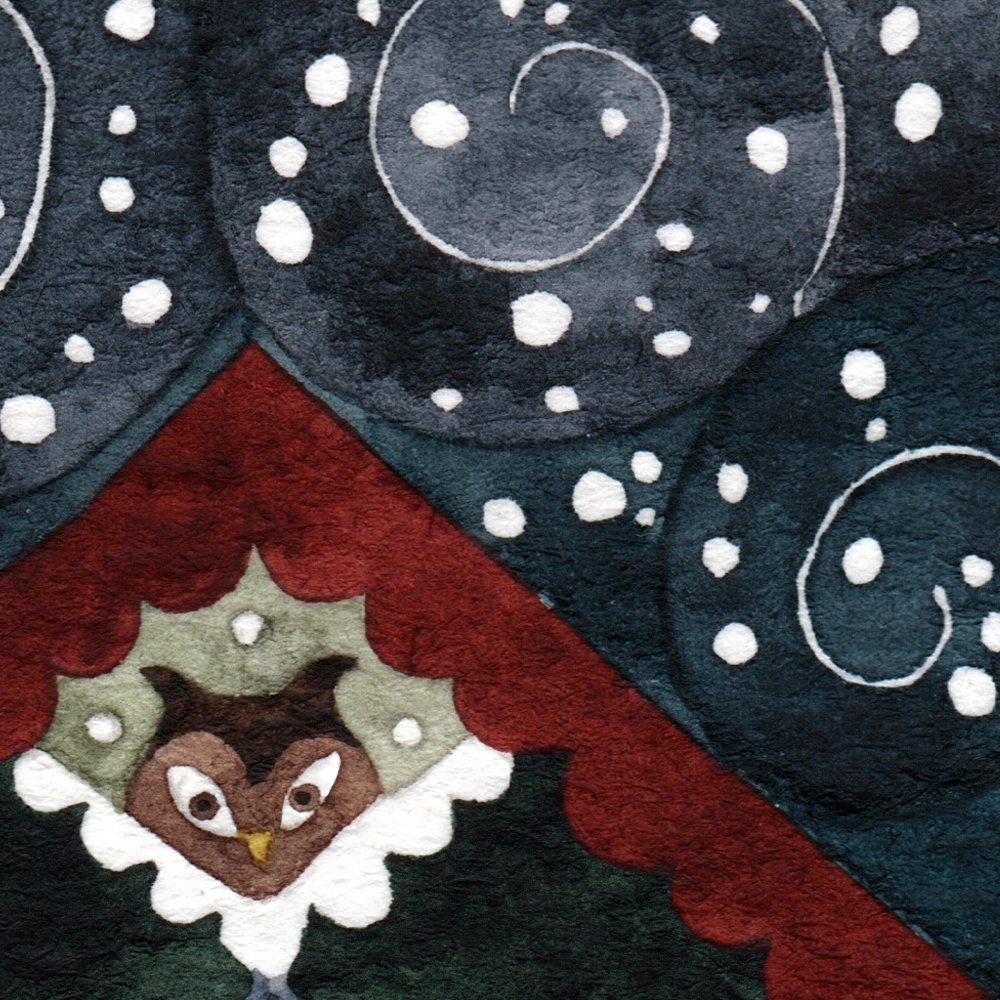
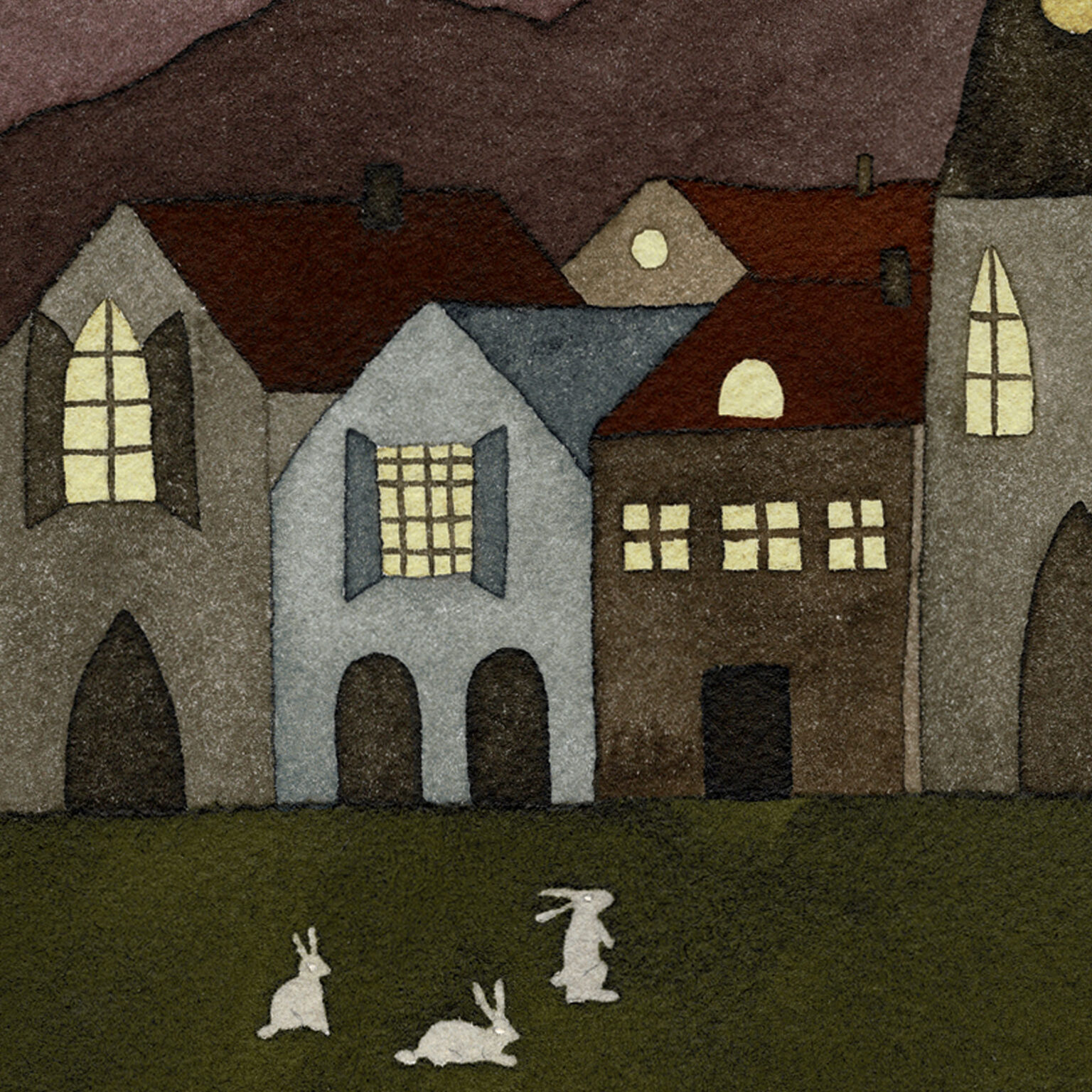
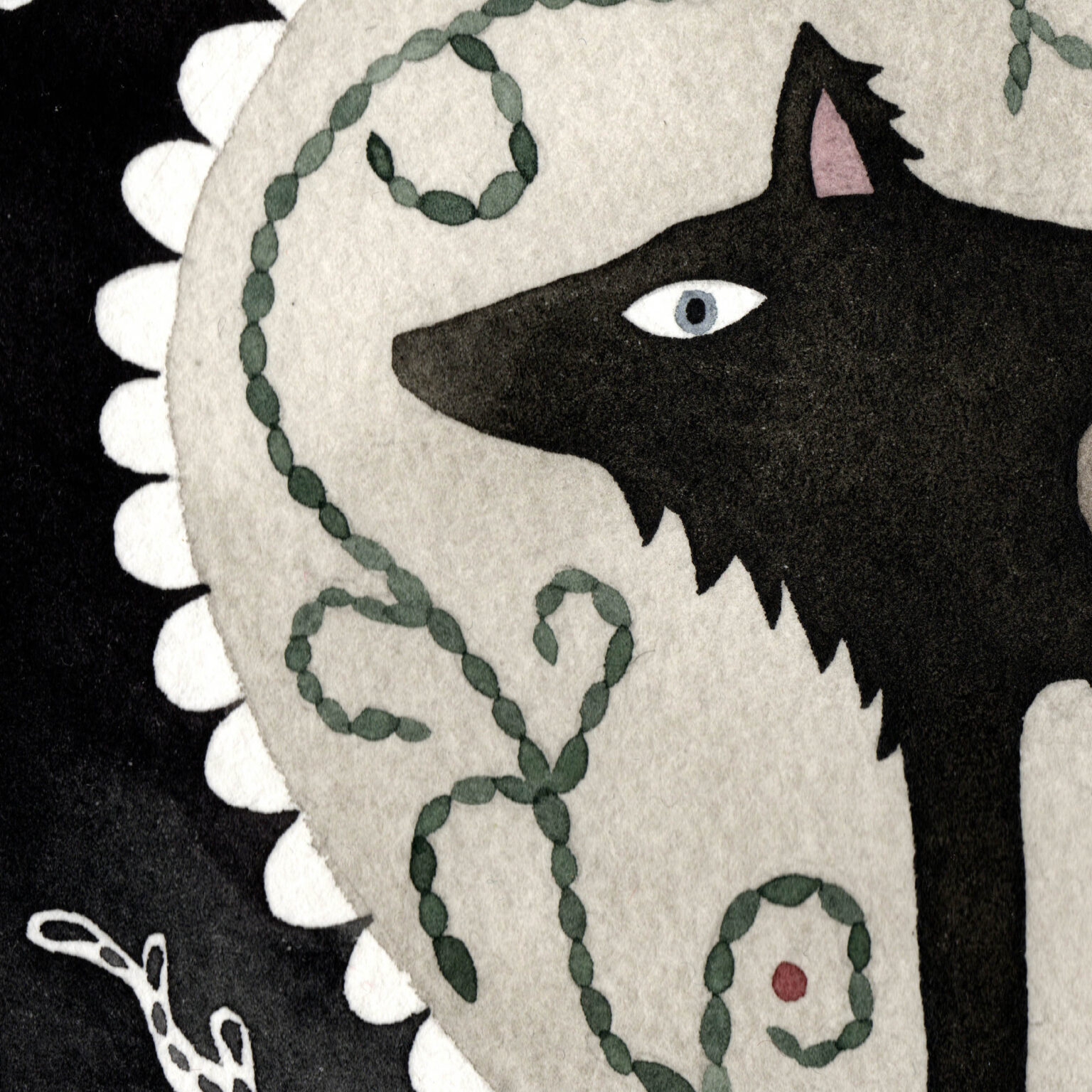
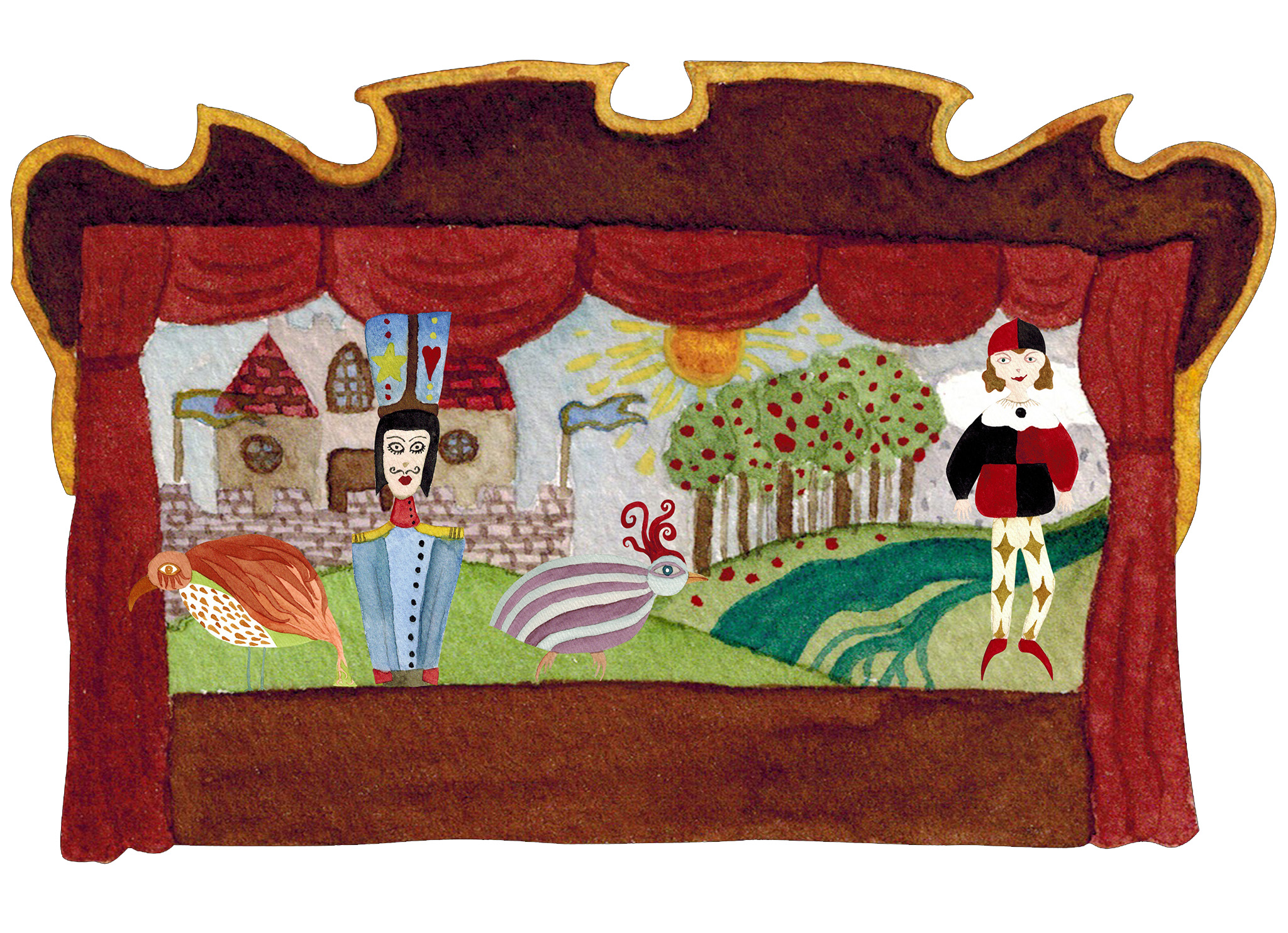
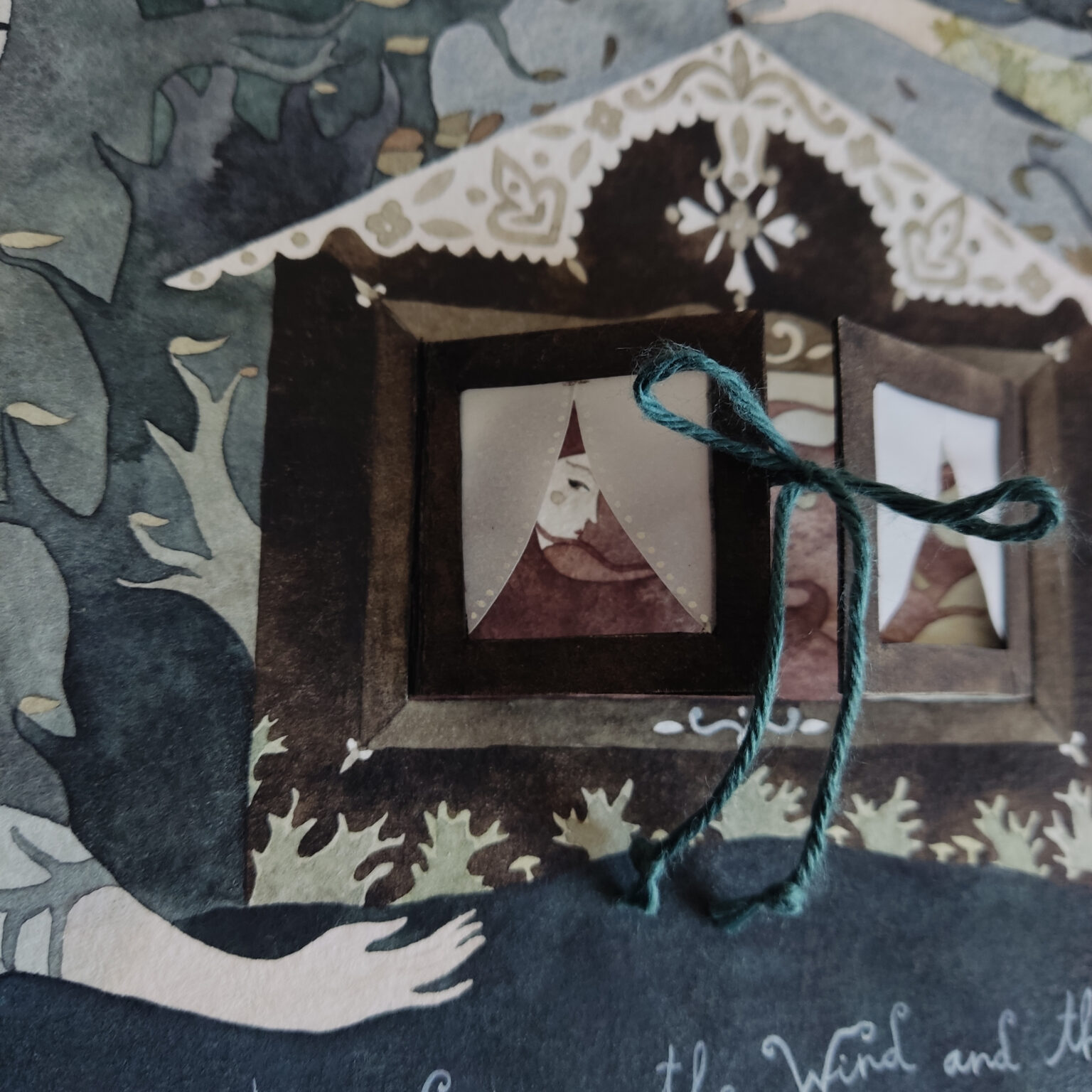
I explored watercolour for several years, until eventually I began to take it beyond the flat surface of the paper. I started turning them into little three-dimensional scenes and dioramas, experimenting with depth, layers and the possibility of looking inside an image. You can see my dioramas and papercut creations to get a clearer idea of the different aspects of this practice.
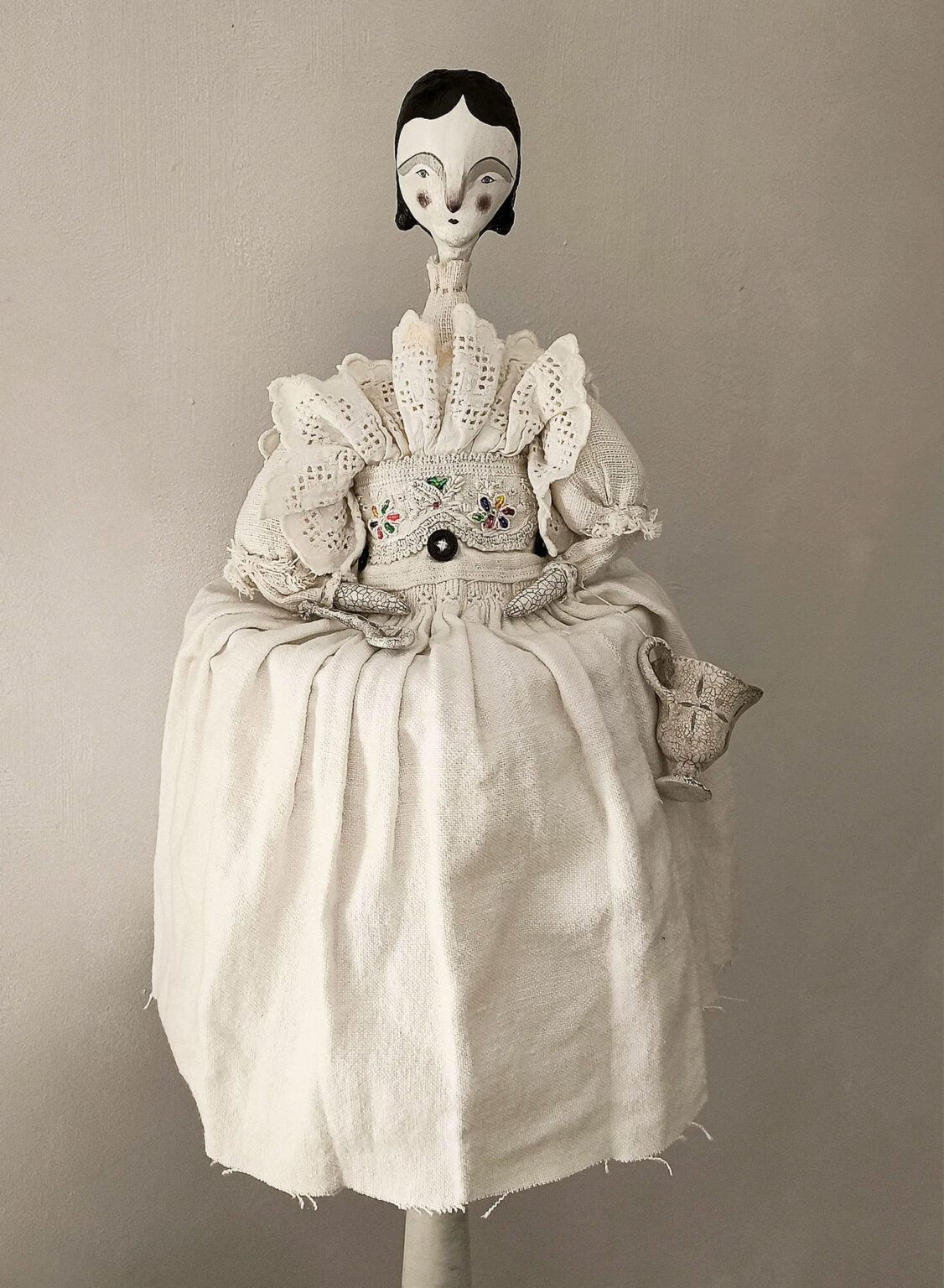
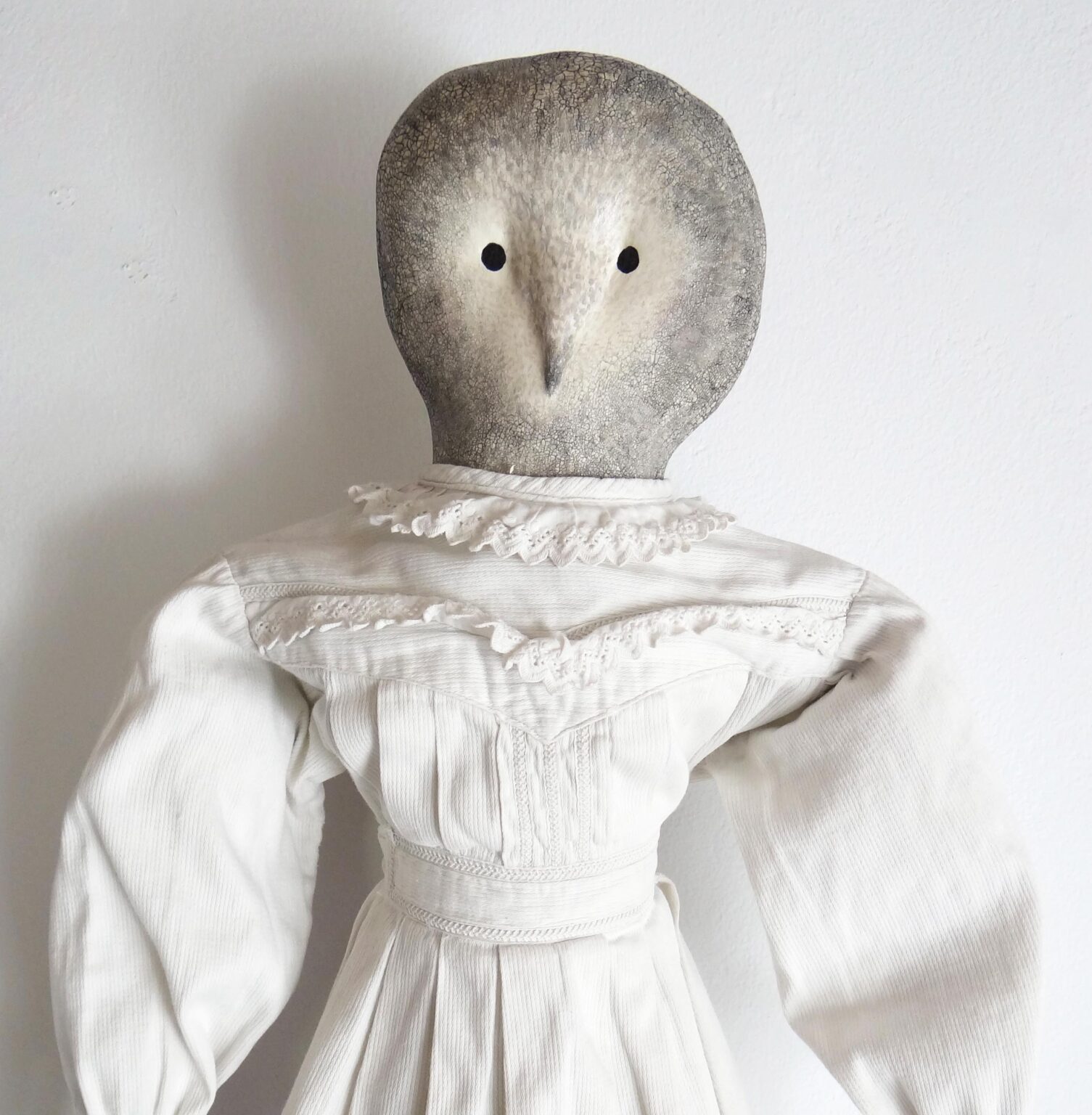
This experimentation with three-dimensional work also inspired me to explore other formats: little houses, nostalgic music boxes inhabited by tiny dancing clay figures, and, more recently, dolls. I still work across all of these forms; each one simply opens up a different way of exploring an idea.
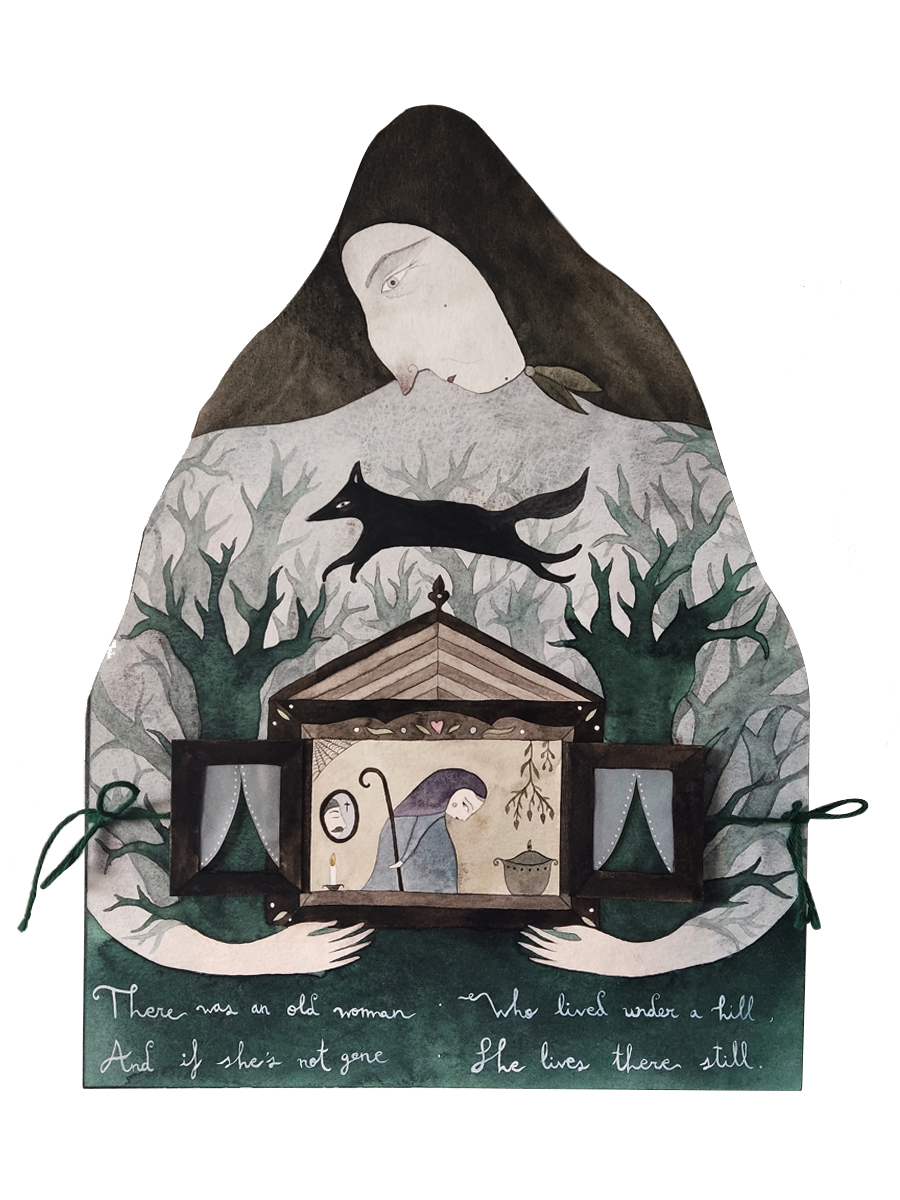
Looking at these things separately, they might seem like quite different practices. Textile design, illustration, ceramics, tapestry, watercolour, dioramas, miniature houses, music boxes, clay figures and dolls don’t necessarily belong to the same category. But to me, they are all connected by the same curiosity. Exploring one format often makes me wonder what might happen if I approached an idea through another material, scale or form. One experiment doesn’t replace the previous one; it simply opens another door.
I think this is why I have always struggled with the idea that an artist should settle into one medium or one recognisable format. I understand the value of developing a visual language, and there are certainly ideas and obsessions that have followed me through all these different stages. But the physical form of the work has always felt much more open to me. I like the moment when something stops being a drawing and becomes an object.
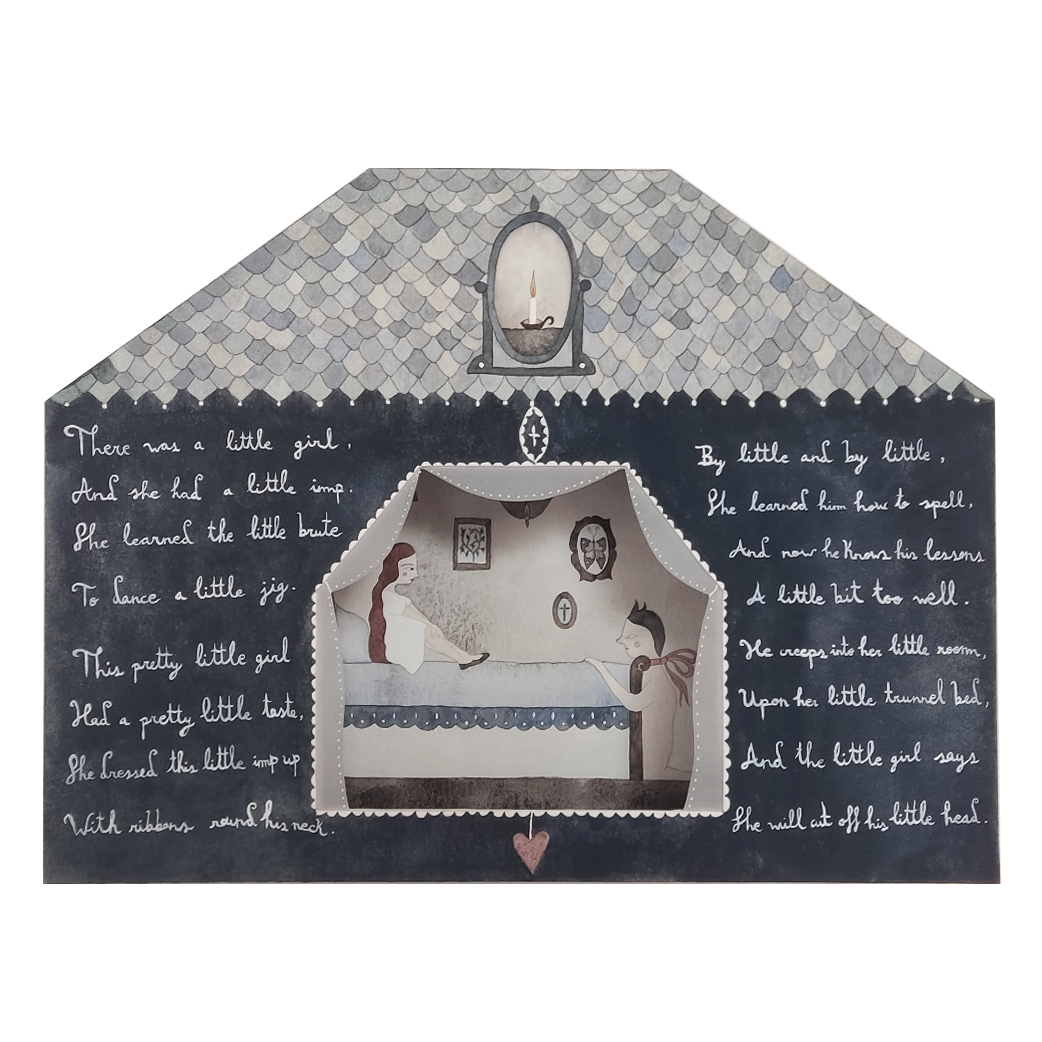
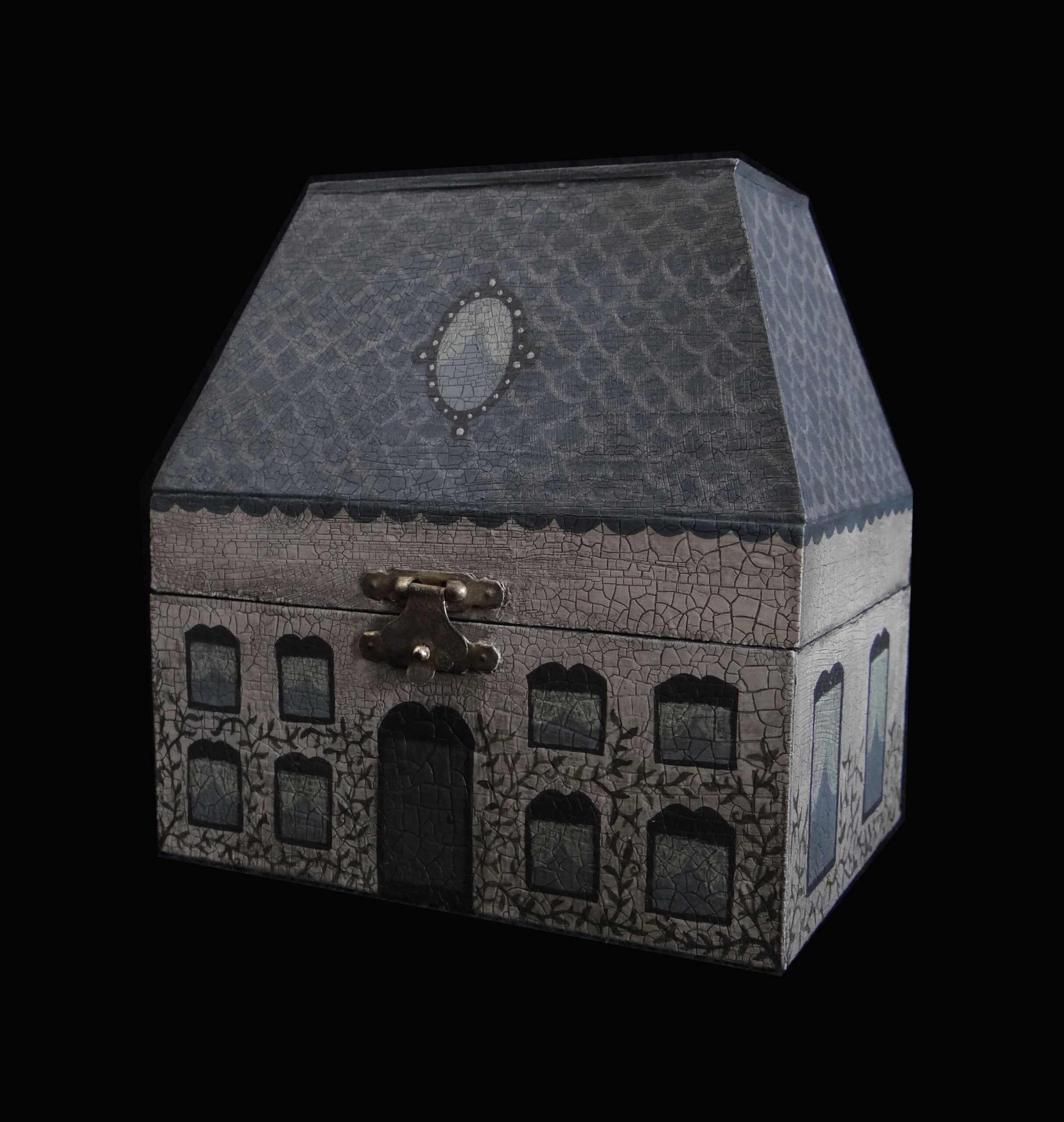
There was a part of my practice that I had to leave behind for a while. When my artistic work was beginning to become a profession and I was working on the textile patterns I mentioned before, I was also very interested in embroidery and tapestry.
I joined a group of women who worked with handlooms and textiles, and I loved the slow, mysterious quality of these practices. There was something very different about spending hours with a piece of fabric or thread, allowing a pattern or an image to emerge gradually.
Unfortunately, I eventually had to say goodbye to these slower practices when I emigrated and had to concentrate on the practical realities of starting a life somewhere else. There was simply not enough time or space for everything. I kept thinking about it, though. I missed the materials and the physicality of working with fabric. Now, I feel as though I have opened that door again, but in a different way.
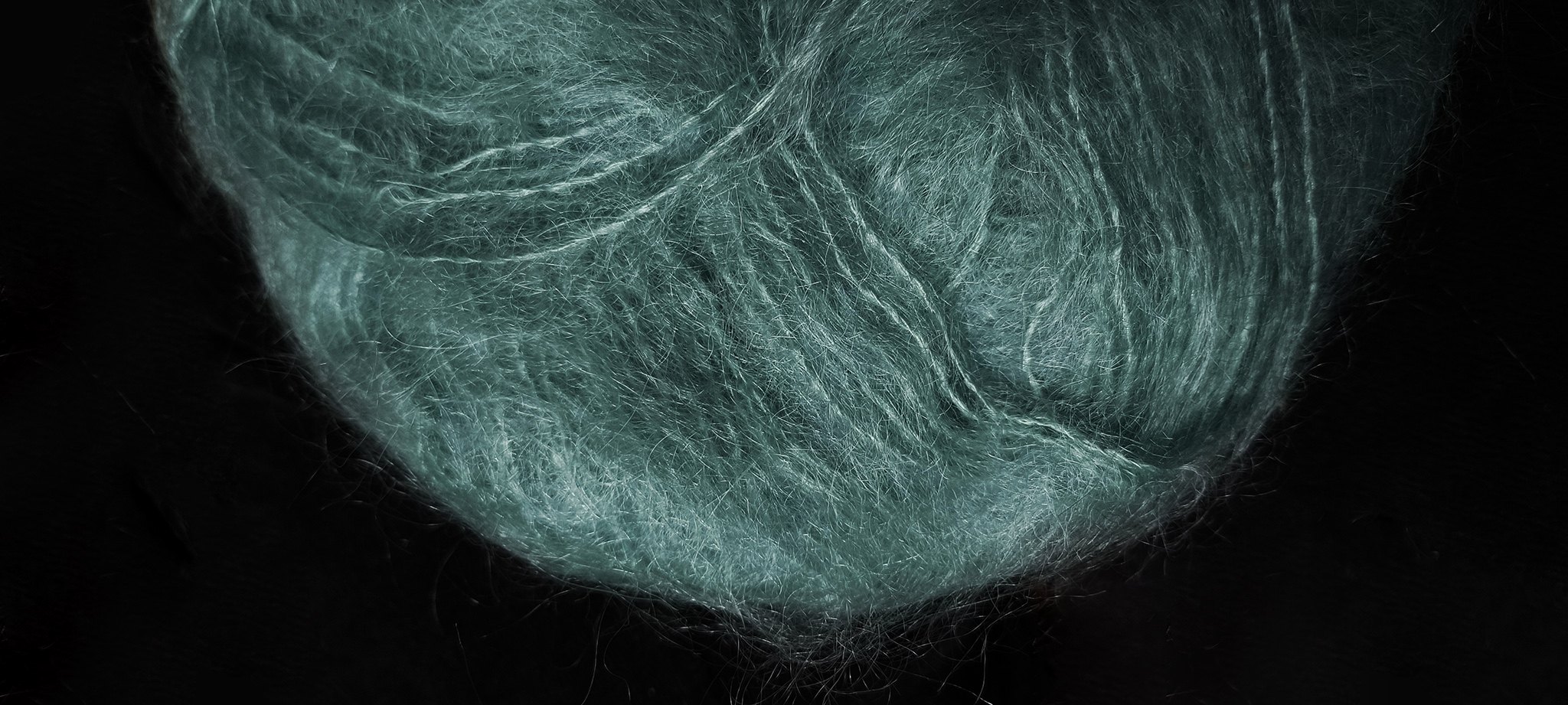
I have started experimenting with textiles once more, looking at new fabrics as well as old ones, soft materials alongside worn and weathered pieces. I don’t know yet exactly what will come out of this new exploration, but I have a feeling that something interesting will.
This is more or less how my art practice has always developed. I rarely decide that I am going to begin a completely new chapter. Instead, materials and ideas tend to accumulate around me until I eventually start experimenting with them. I might have a piece of fabric sitting in the corner of my studio for months because I know I want to do something with it, but I don’t yet know what. There might be a box of clay, some old paper, a collection of objects, a new material I bought because I couldn’t resist trying it, or a half-developed idea that has been waiting for the right moment.
I always seem to have a myriad of projects on the go, and they almost always develop much more slowly than I would like. Sometimes this can be frustrating. I have so many things I want to explore that it can feel as though I am constantly waiting to get to the next one. But I am beginning to realise that this slowness is also part of the way my practice works. Some ideas simply need to sit there for a while before I understand what they want to become.
Then, one day, I will finally pick up that piece of fabric, open that box, try that material or return to that unfinished drawing, and suddenly a new stage begins.
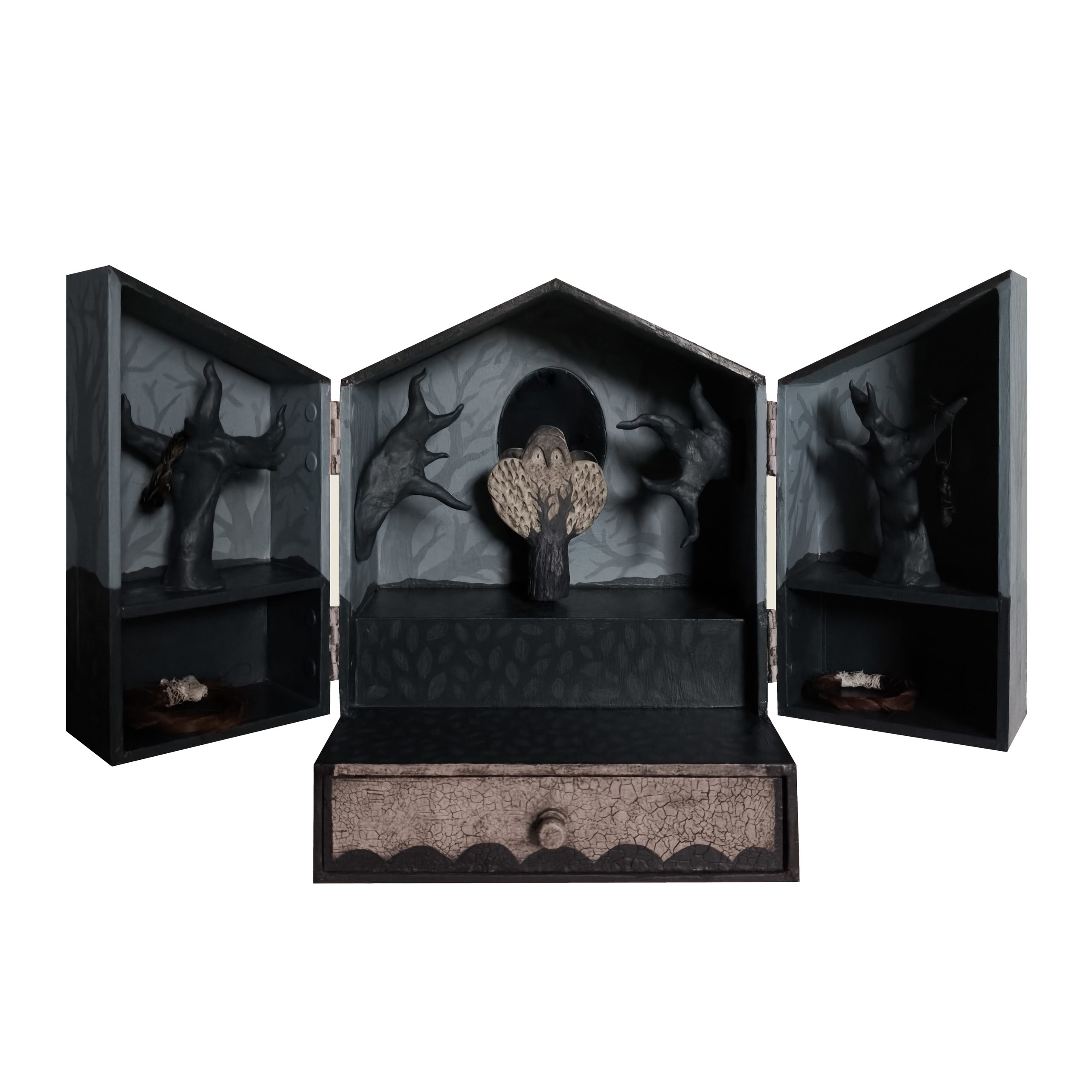
I think this is why the idea of play and experimentation has remained so important to me. My practice has developed not by following a fixed plan, but by allowing myself to be curious about materials and to see where they might take me. Sometimes an experiment becomes a finished artwork. Sometimes it becomes a new technique. Sometimes it leads to an entirely different project. And sometimes it simply sits in an old cupboard for a very long time.
Perhaps the more useful question is not how to define the practice, but what keeps it moving.
For me, it is curiosity. It is the desire to touch, make, transform and experiment. It is the pleasure of discovering what happens when a drawing becomes an object, when a painting becomes a miniature space, when a house becomes a music box, or when an old piece of fabric opens the door to a completely new body of work.
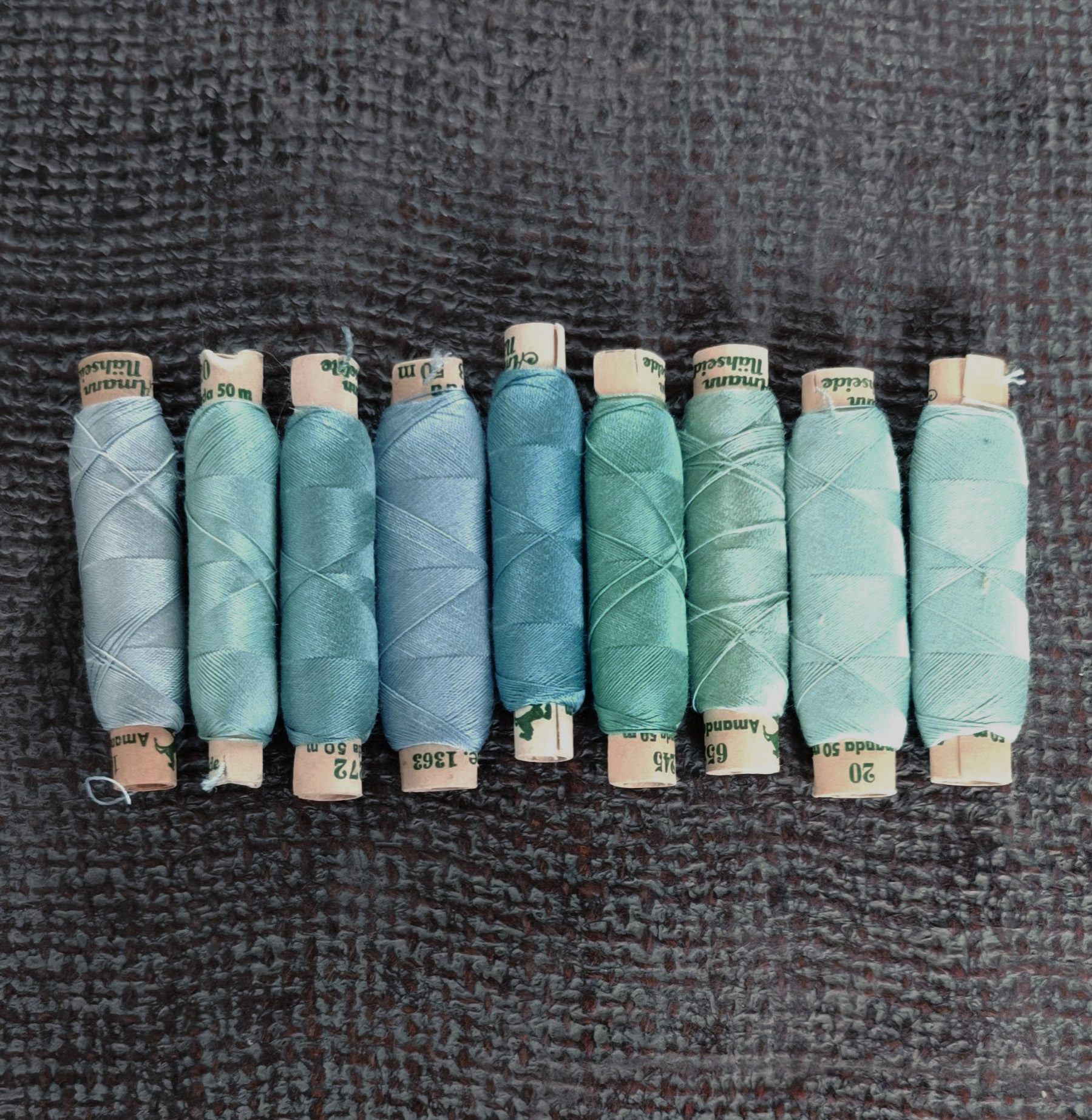
There are still many materials waiting in the corners of my studio. Iridescent ceramic glazes, bottles of resin, molds, old oil paints, fabrics I have collected without knowing exactly what I would do with them, and countless other things that have somehow found their way into my workspace. Some have been waiting for years.
I don’t know which one will become the next chapter. Perhaps one of them will lead me somewhere completely unexpected, as the watercolours once led me to dioramas, or the dioramas to little houses and music boxes. That uncertainty is part of what I enjoy about my art practice. There is always another material to try, another format to explore, another door that might open.
And, for now, I think I rather like it that way.
ℳ.